In May 2026, the Learning Generation Initiative, as a strategic partner of the What Works Hub for Global Education, supported the South-South Learning Symposium in Delhi, India. The symposium, convened and coordinated by British Council, brought together senior government delegations from Ghana, Kenya, Nigeria, Tanzania, Rwanda, South Africa, and India to reflect on the role of data systems and accountability in foundational learning reforms.
The symposium focused on four interconnected themes:
- Multi‑source data integration and interoperability
- Capacity and culture for data use – not just collection
- Institutionalization and scaling beyond pilots
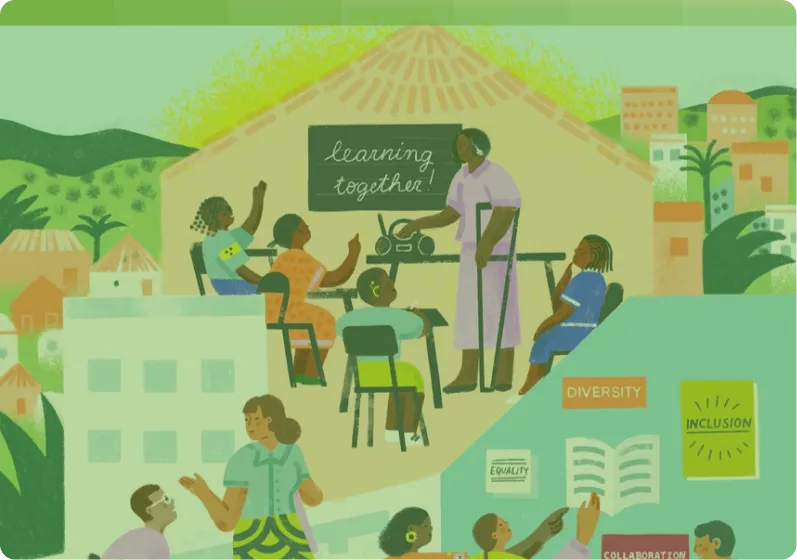
- Using data to advance equity and inclusion
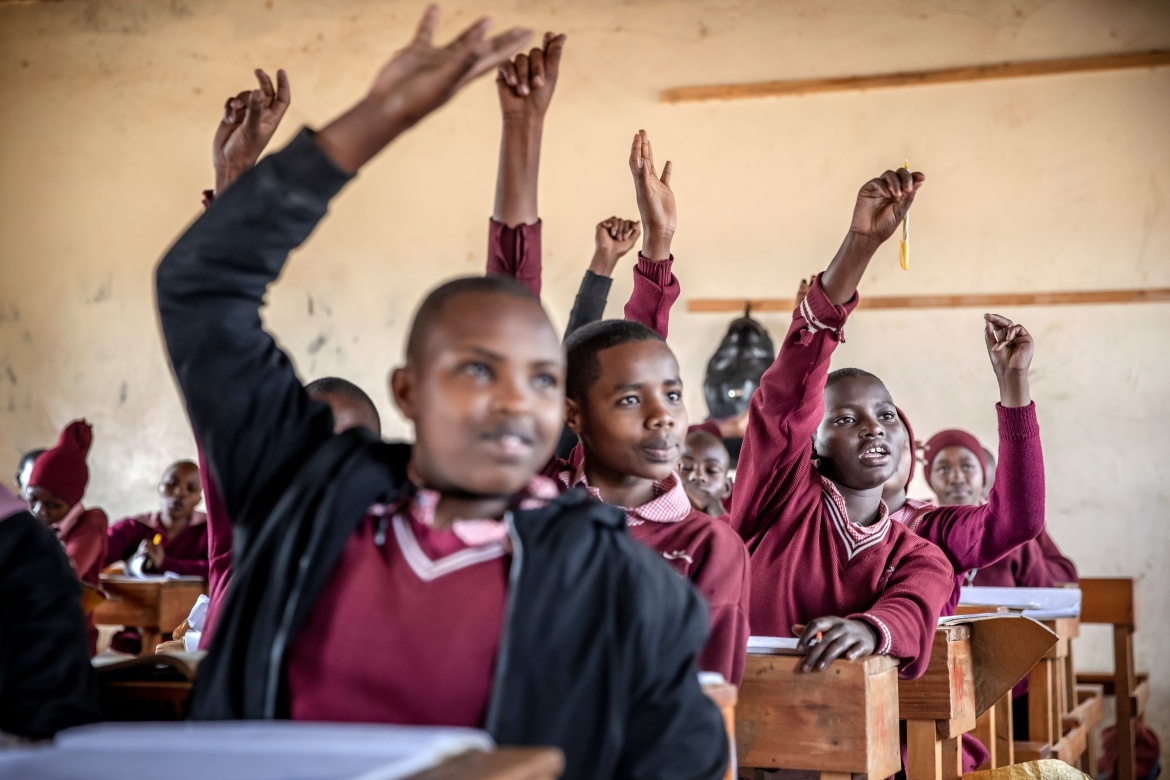
Through school visits, immersion in India’s education data systems, and powerful reflection sessions, delegates considered what action they might take to refine their own country’s data systems to enable gains in foundational learning.
Ahead of the symposium, delegations mapped their own country’s data systems, examining how data is collected, shared, and used, as well as considering enablers and barriers for improved data-driven decision-making across the system. Analysis revealed encouraging progress. Across countries, governments are increasingly prioritizing stronger education data systems and using data more routinely to inform decisions on capitation, staffing, and resourcing.
However, the exercise also highlighted persistent challenges that lie between intention and the realities of practice:
- Gaps in data quality – including issues with relevance, accuracy, and timeliness, often exacerbated by poor connectivity, limited device access, and workforce readiness.
- Data fragmentation – including siloed data and poor interoperability of systems, often exacerbated by partners’ efforts.
- Poor data flows and feedback loops – where middle tier officials, school leaders, and teachers often lack access to timely, actionable data that could improve classroom instruction and teacher support
- Capacity gap – particularly among middle tier officials, school leaders, and teachers who need training and support to interpret and use data effectively
Countries recognize that addressing these gaps would unlock significant gains: data-driven early warning systems; coherence across teacher management, school quality assurance, and learner assessment data; improved planning and prioritization; more targeted coaching and support; and improvements in equity and inclusion.
Participants were particularly inspired by seeing India’s systems in practice and learning directly from each other’s experience. As one delegate reflected, “We got to see grassroot realities, how data and digitalization work on the ground.”
The symposium also generated strong momentum for action. Around 83% of symposium participants said they had learned more about strengthening data systems and the use of data and evidence to improve policy and practice, with more than half of those pleased to be headed home with a clear plan for ongoing action, learning, and exchange.
Although a step in the right direction, we know that is not the end of the story. To see authentic progress, we must consider how to further systemic support and collaboration. 40% of delegates requested further support to overcome structural barriers, while 44% identified political barriers as a major challenge. Just half of delegates felt assured of support from senior decision-makers in their ministries, despite 78% believing that their proposed actions were well aligned with their education sector strategic plan. Similarly, only 50% felt their systems had the resources and capabilities needed to implement their action.
And so, as we celebrate delegates’ intentions and the systems they represent, we recognize the challenges that often go unspoken – navigating political will, resourcing, and ensuring the right mindsets and capabilities exist across the system to enable transformation. At the Learning Generation Initiative, we are committed to supporting governments to navigate these complexities in tangible, practical ways through our long-standing relationships. We look forward to further supporting this South-South learning exchange in a meaningful way as country delegations translate intention into sustained action for foundational learning.