

From Chalkboards to Dashboards: How HTHT is Shifting Classrooms in Cambodia (July 2025)
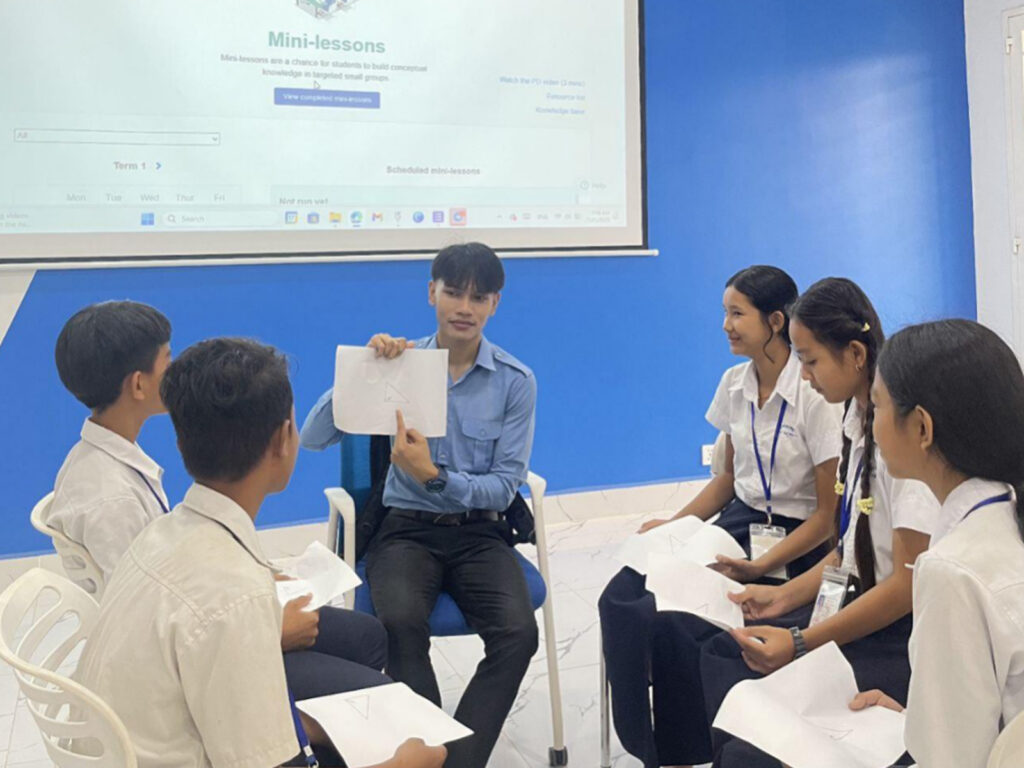
Over the past year, Teach For Cambodia has been piloting the High Touch High Tech (HTHT) approach in government secondary schools, combining AI-powered personalized learning with targeted, teacher-led instruction. In partnership with the Learning Generation Initiative housed at the Education Development Center, 13 teachers implemented this model with approximately 2,200 students across Phnom Penh and […]
Unlocking the potential of middle-tier leaders in East Africa’s education reform
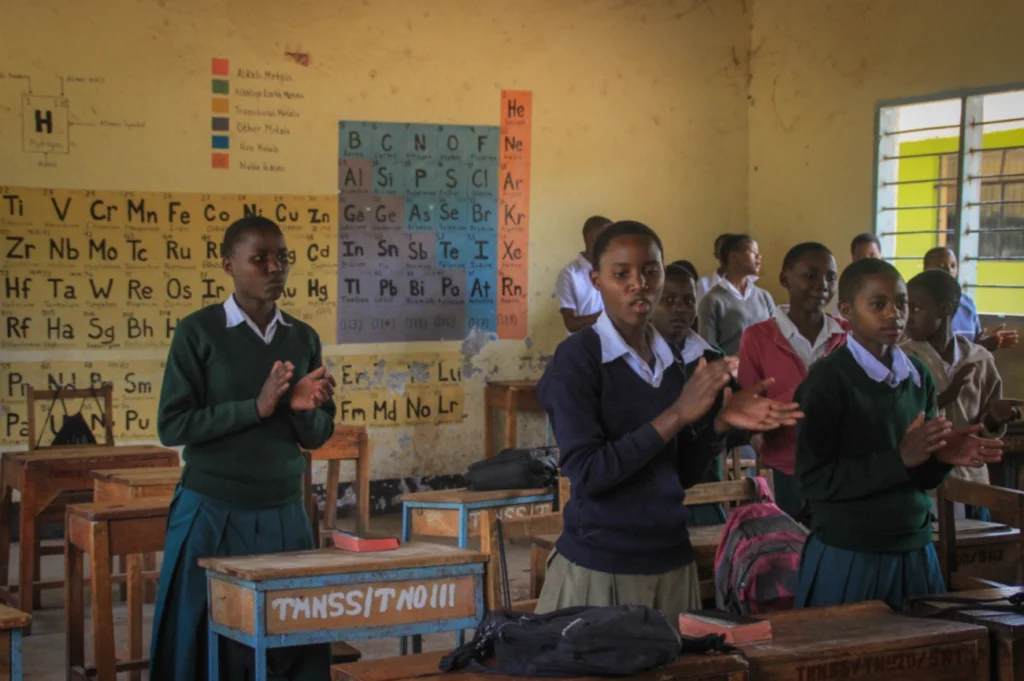
The middle tier is a critical but underused driver of education reform. We explore its role in East Africa. Many East African countries have launched ambitious reforms of their national education systems, particularly in curriculum and assessment, to improve learning outcomes. Yet challenges remain in translating these reforms into meaningful classroom changes, and foundational learning […]
Home-Grown School Feeding: Case Studies on Procurement and Financing

Well-designed home-grown school feeding (HGSF) programmes succeed in doing much more than providing children with a nutritious meal. Because they source their ingredients locally, these programmes can improve livelihoods, integrate smallholder farmers into local economies, and bolster the health and well-being of children and of the planet. This report considers how HGSF procurement models and financing mechanisms work by looking at four case studies in Ethiopia, Bolivia, Brazil, and Cambodia.
A missing link for inclusive education
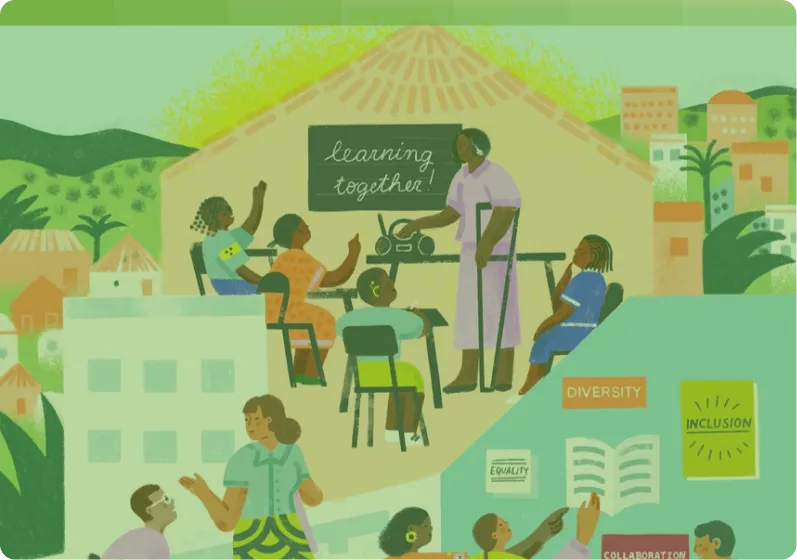
This paper explores the experiences of teachers with disabilities working in mainstream classrooms across low- and middle-income countries. It highlights the need for inclusive policies, accessible infrastructure, and better data, drawing on teachers’ voices to offer practical recommendations that promote equity and diversity in the education workforce.
The anatomy of an education system: why the middle tier matters

A new publication shows how strengthening the “missing middle” can help education systems better meet local needs. The anatomy of an education system is complex, comprising many levels, roles, and responsibilities. Among these, the middle or intermediate tier is gaining increasing attention for its vital role in shaping locally relevant solutions and driving sustainable changes […]
Leveraging the potential of the middle tier to improve education outcomes

The middle tier connects schools and central systems, translating policy into practice and supporting education reform. This paper outlines key functions, capacity gaps, and a new assessment framework to help governments strengthen the middle tier—unlocking its potential to improve teaching, equity, and learning outcomes across education systems.