

From ambition to action: The Delivery Toolkit
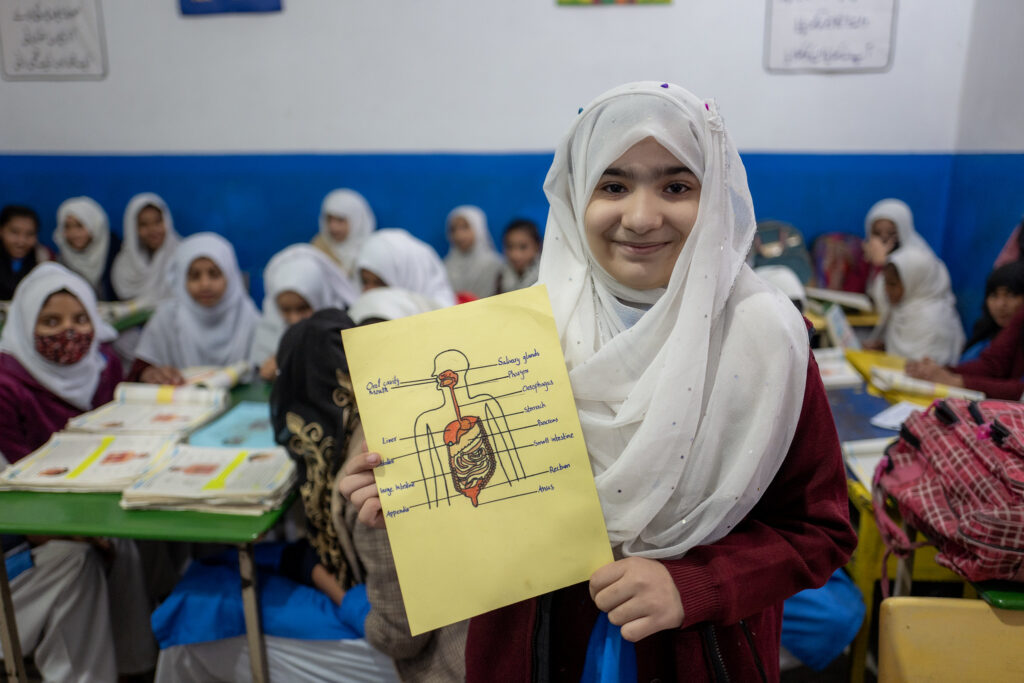
How the Delivery Toolkit translates evidence into practical guidance to help governments strengthen implementation, so education reforms deliver measurable learning gains in the classroom. Author: Neelofar JavaidThis post was originally published by Global Partnership for Education. What began as a global research initiative funded by the U.K. Foreign, Commonwealth & Development Office (FCDO), DeliverEd, under […]
From Policies to Systems: Why Data Must Reflect Reality
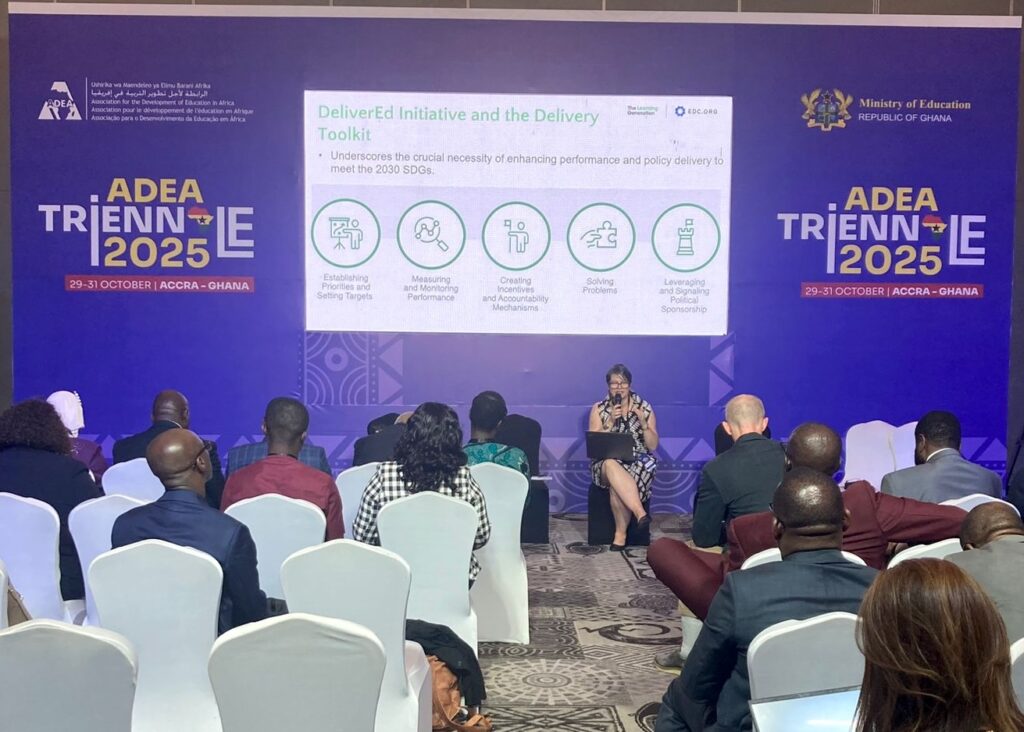
Authors: Dr. Angela Affran and Dr. Sam Awuku, Learning Generation Initiative What conversations at the ADEA Triennale reveal about building education systems that deliver. Across Africa, governments are investing in education. Policies are written. Reforms are launched. Yet learning poverty remains over 70%, according to the World Bank. UNESCO analysis shows that despite strong commitments to CESA 2016-2025 and SDG 4, progress remains uneven – particularly in equity, quality, and […]
High Touch High Tech in Action: Strengthening Teaching and Learning in Cambodia through Personalised, Adaptive Approaches
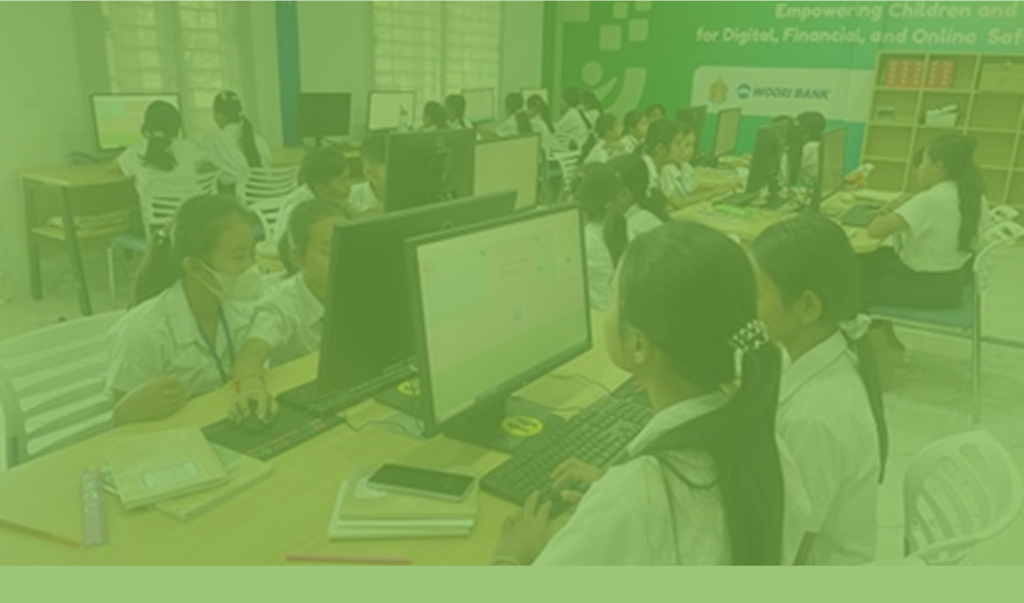
This report explores the High Touch High Tech (HTHT) pilot in Cambodia, integrating adaptive digital learning with teacher-led, data-informed instruction in lower secondary classrooms. Over eight months, students achieved significantly greater gains in math—equivalent to eight additional months of learning—demonstrating the model’s potential to strengthen foundational skills and reduce learning gaps within public education systems .
High Touch High Tech for All: Empowering Teachers and Learners in the Philippines with Digital Personalised Learning to Improve Learning Outcomes
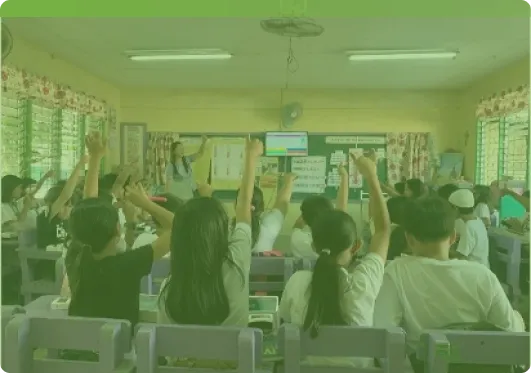
This report examines the High Touch High Tech (HTHT) approach in the Philippines, combining adaptive technology with teacher-led, data-informed instruction to personalise learning in public elementary schools. It finds that students made significantly greater gains in math over just 12 weeks, highlighting the potential of integrating technology and strong pedagogy to accelerate learning in low-resource contexts.
Health Taxes for School Meals: Unlocking Fiscal Space for School Health and Nutrition in Africa

Health taxes on tobacco, alcohol, and sugar-sweetened beverages offer a viable and largely untapped opportunity to unlock fiscal space for school meals and complementary school health and nutrition programs across Africa. Drawing on regional evidence and analysis, the briefing outlines the revenue potential, health gains, and policy considerations for spending ministries, and introduces the forthcoming Health Tax for School Meals Toolkit to support reform efforts.
3 Reasons Why Leadership Teams Are Vital for School-based Teacher Professional Development
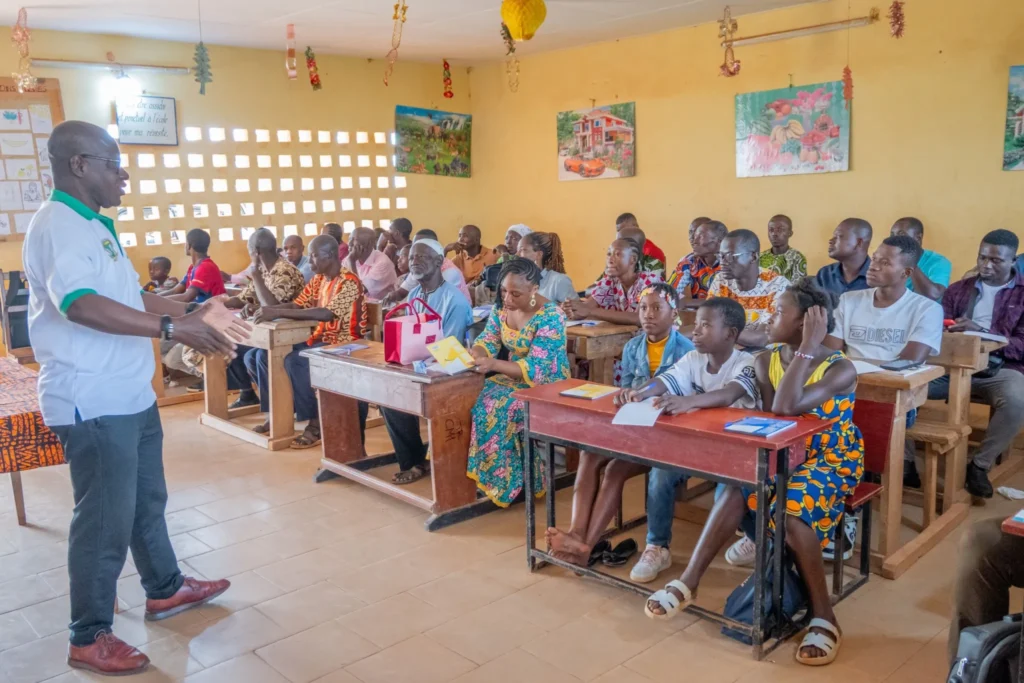
Authors: Katie Godwin, Hannah Simons, Jane Sebuyungo Nantayi, Daniele Ressler, Jeongmin Lee A Global Moment for Strengthening Teacher Support Around the world, education systems are grappling with how to support teachers in ways that are sustainable, practical, and responsive to classroom realities. As expectations of teachers grow, often without corresponding increases in support, there is […]
Une main lave l’autre : Comment le plan dirigé par le Bénin redéfinit la coopération autour de l’alimentation scolaire
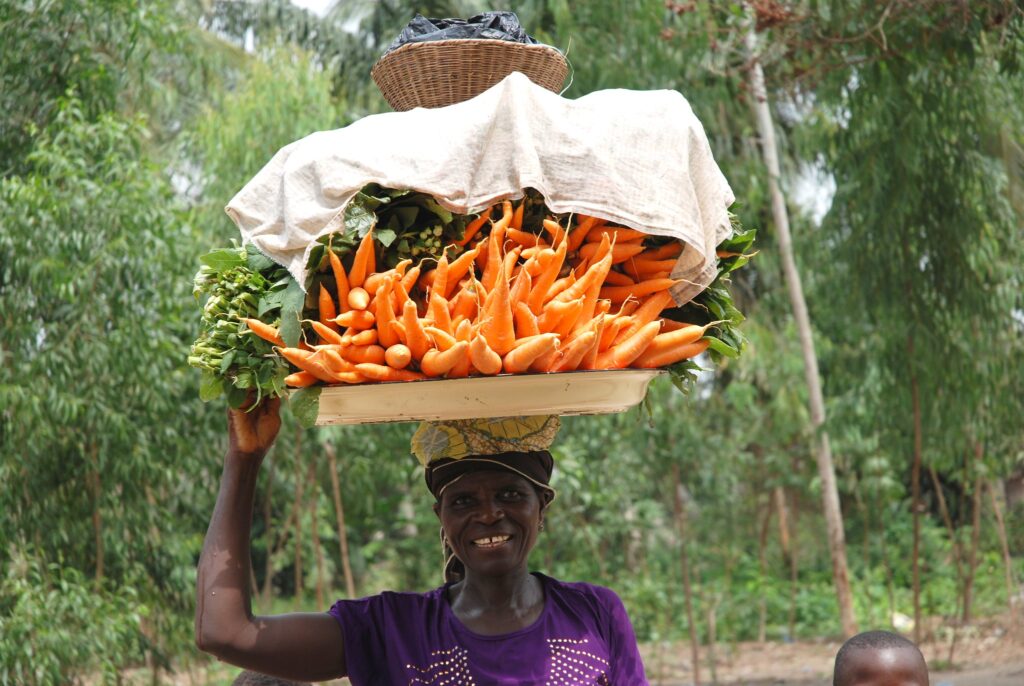
« Une main lave l’autre » – Proverbe africain Ce proverbe illustre une vérité simple : une seule main ne peut accomplir la tâche. Dans le domaine du développement, il rappelle que le progrès repose sur l’effort collectif entre les gouvernements, les communautés et les partenaires techniques et financiers œuvrant pour un objectif commun. Au […]
Drivers of effectiveness in education systems: An UKFIET panel on the role of the middle tier in implementing education change
This post was originally published by What Works Hub for Global Education. Authors:Sam Awuku, Deborah Kimathi, Siddesh Sarma, Modern Karema, Yue-Yi Hwa and Kholosa Nonkenge There is increasing attention on the role of middle-tier officials – education system intermediaries between top decisionmakers and schools, who typically sit at the state, district, subdistrict level or similar – in […]
Reframing Inclusion: Why Teachers with Disabilities Matter for Inclusive Education
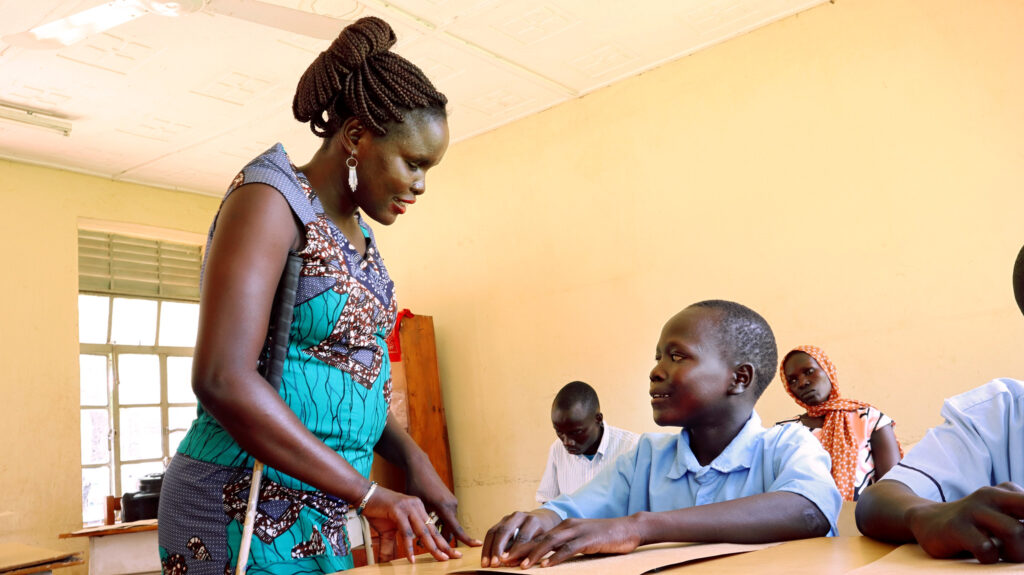
By Theo Sowa, Learning Generation Initiative (LGI) Champion LGI and the Cambridge Network for Disability and Education Research (CaNDER) – with support from the What Works Hub for Global Education – have collaborated on a new research synthesis showing why it’s so important to support teachers with disabilities working in mainstream classrooms. At the recent […]
Clean cooking in schools: Turning a climate blind spot into an opportunity

At COP30, governments and partners are addressing a neglected but powerful opportunity for climate action: the school kitchens that nourish millions of children. “By transforming the way clean cooking in schools works, we can improve health, protect forests, and empower the next generation to thrive in a more sustainable world. The Global Platform for Clean […]
A Hand Washes Another Hand: How Benin’s Country-led Plan Is Redefining Cooperation on School Meals
A hand washes another hand. –African Proverb The proverb captures a simple truth: One hand alone cannot complete the task. In development, it is a reminder that progress depends on shared effort between governments, communities, and development partners working toward a common purpose. In Benin, this proverb is reflected in a country-led national school feeding […]
Not the exception, but essential: Teachers with disabilities in mainstream classrooms

This blog, by Nidhi Singal, was originally published by Education International. Where are the teachers with disabilities in our classrooms? A question I often ask my audience is: “How many of you were taught by a teacher who identified as having a disability during your school years?” In a room of 50–60 people, usually only […]
Shifting Power Dynamics in Education Decision-Making: Investigating the role of a matching algorithm to improve teacher deployment in Sierra Leone
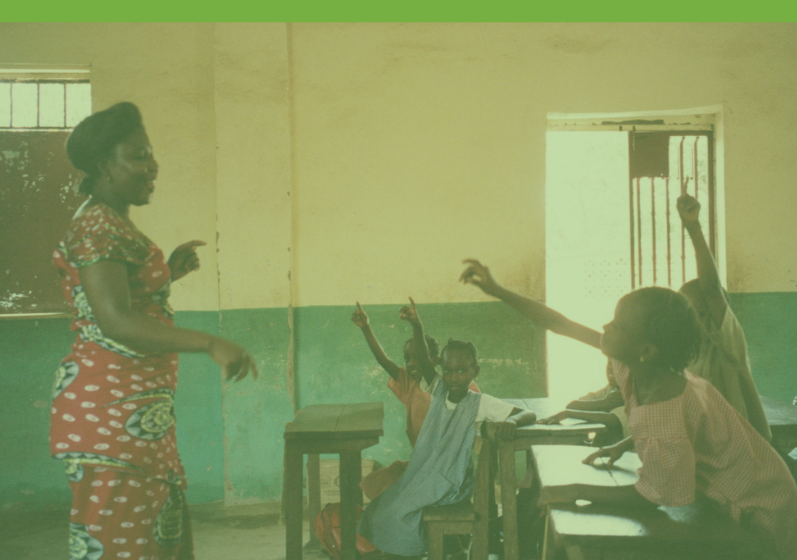
This paper examines how a data-driven matching algorithm transformed teacher deployment decisions in Sierra Leone. By digitizing recruitment and introducing a centralized, tech-enabled process, the study explores how technology reshaped efficiency, transparency, and accountability in education decision-making.
Transforming Teacher Deployment: Lessons from a matching algorithm tool
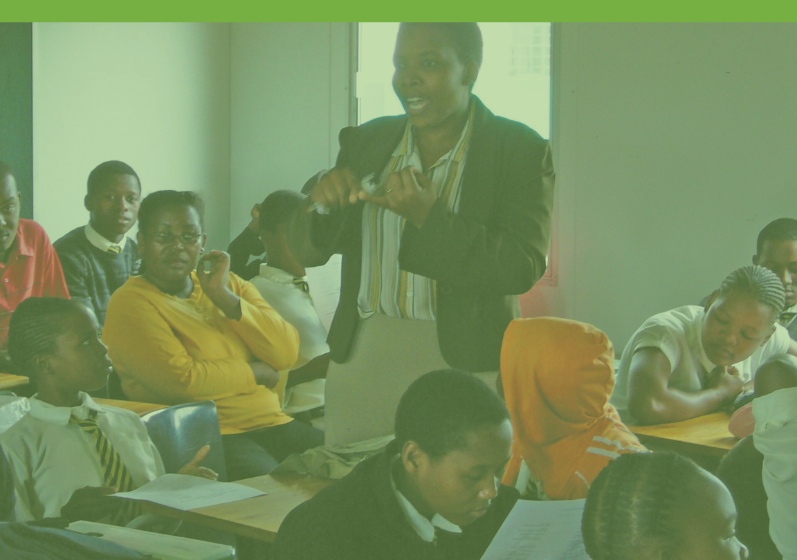
This policy brief distills key lessons from Sierra Leone’s first data-driven teacher deployment using a matching algorithm. The tool aimed to make teacher placement more transparent and equitable by combining data on teacher preferences, qualifications, and school needs.