

Closing the Implementation Gap: Comparing Delivery Approaches, Delivery Units, and EdLabs
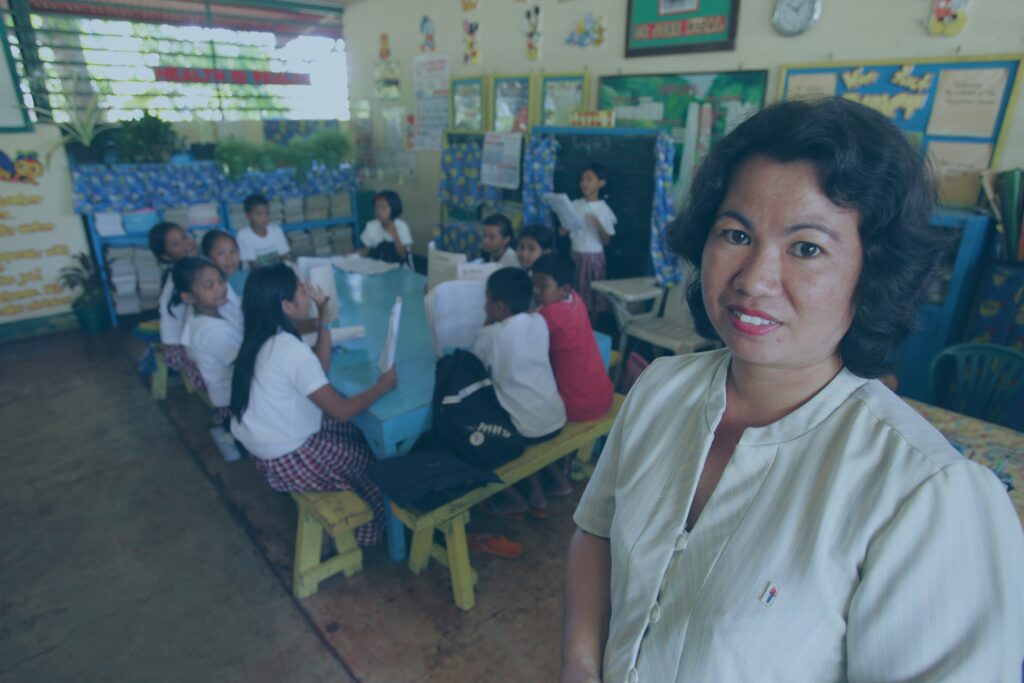
How can governments close the gap between education policy and improved learning outcomes? This paper compares Delivery Units, Delivery Approaches, and Education Evidence Labs, showing how governments and their partners can combine coordination, accountability, evidence use, and adaptive learning to design fit-for-purpose systems that sustain reform.
The Sierra Leone School Leadership Program: A competency-based approach to improve safety, inclusion, and teaching & learning
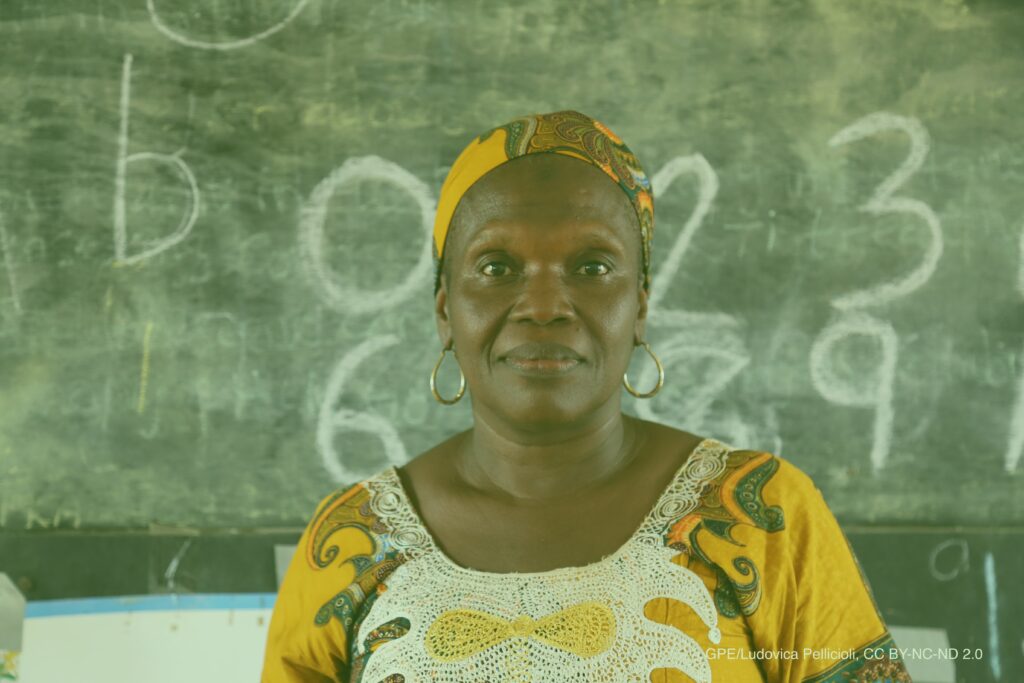
This report examines the implementation and early results of Sierra Leone’s School Leadership Programme, a competency-based professional development initiative designed to strengthen school leadership, safety, inclusion, teaching, and learning. Drawing on survey and interview data from school leaders, teachers, and programme mentors, the study finds reported improvements in inclusive practices, positive discipline, lesson observation, teacher support, and school improvement, while identifying considerations for future scale-up and sustainability.
Problem-solving approaches in education: Strengthening delivery and adaptability
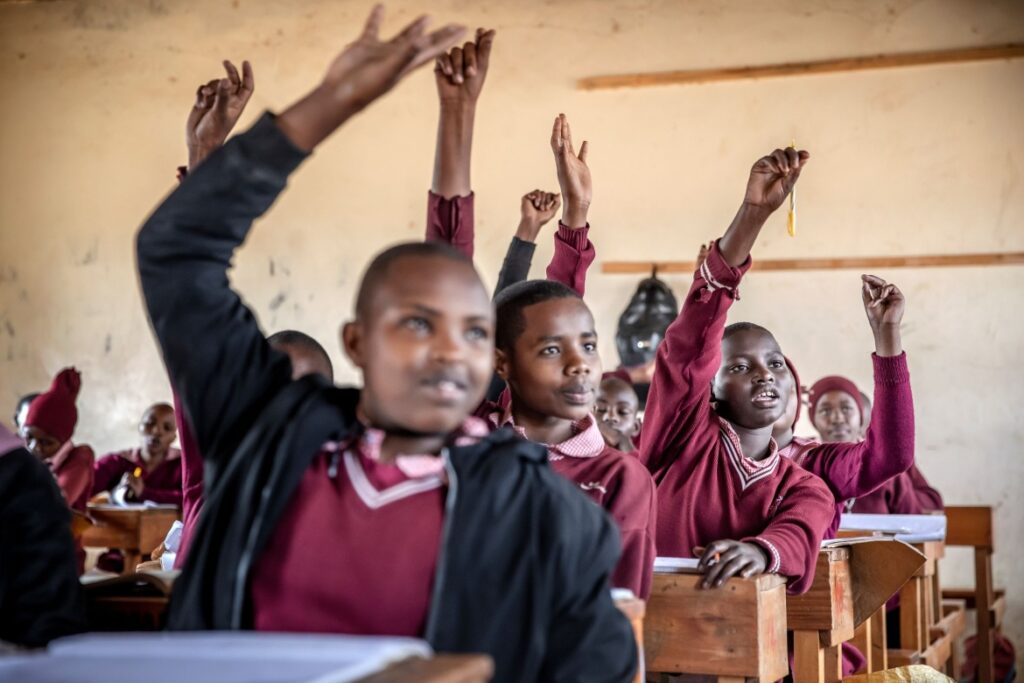
Reform efforts can achieve stronger results in teaching and learning when implementation is treated as a process of learning, adaptation and shared problem solving. Authors: Neelofar Javaid and Emma CameronThis blog was originally published on the GPE Education for All blog on July 7, 2026, here. Education systems don’t struggle because they lack plans or policies. […]
What implementation science misses without teachers with disabilities
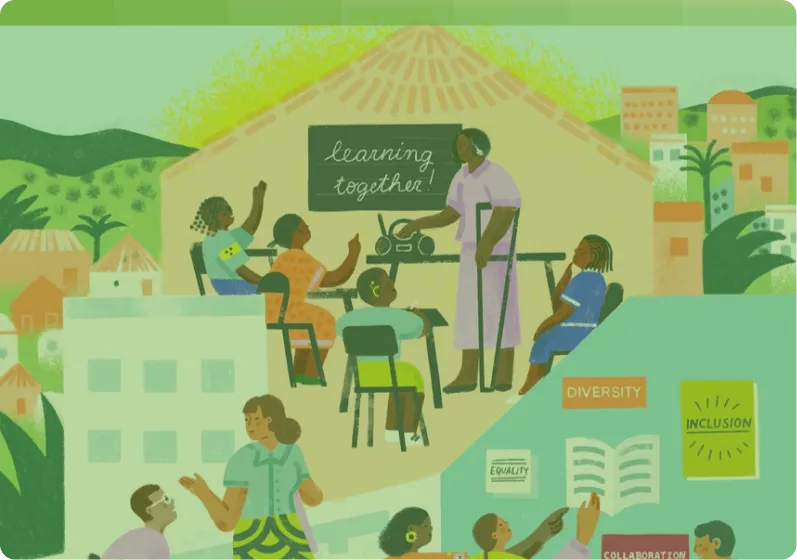
Authors: Emma Cameron, Katie Godwin, Nidhi SingalThis post was originally published by the What Works Hub for Global Education. Inclusive education policy has rightly focused on expanding access and improving learning for all students, including those with disabilities. But this focus has overlooked a critical dimension of inclusion: teachers themselves. The gap is highlighted in […]
Tanzania Policy Dialogue on Education Workforce Planning and Management
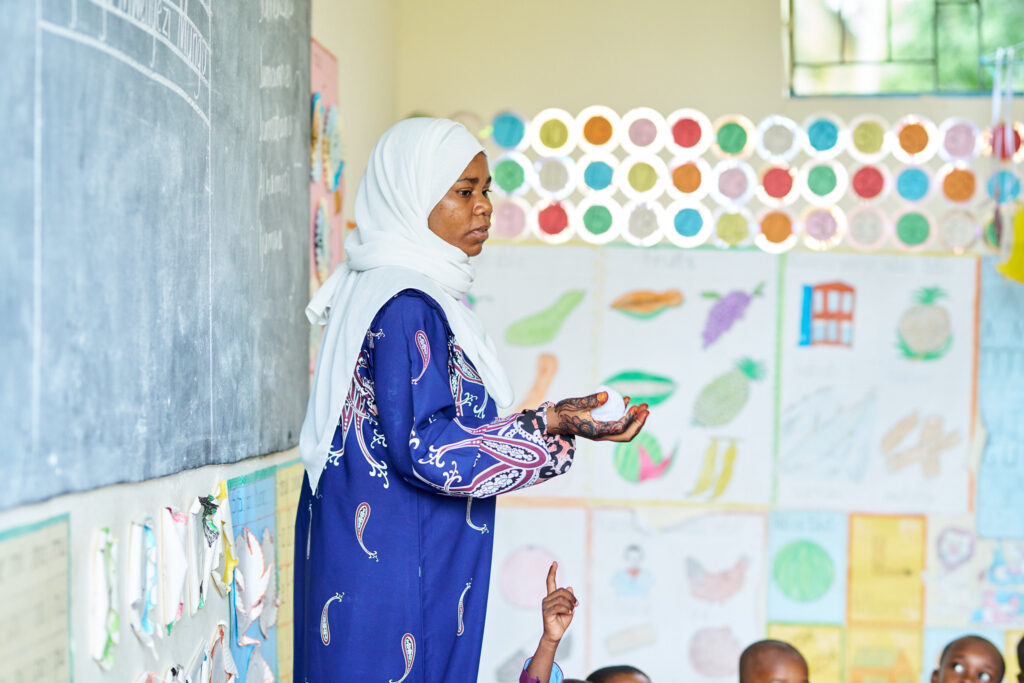
Author: Teopista Birungi Mayanja, Vice Chair – Uganda National Institute of Teacher Education; LGI Champion In May 2025, I had the privilege of joining stakeholders from across Tanzania’s education sector for a policy dialogue on Teacher Workforce Planning and Management. The dialogue brought together government agencies, development partners, teacher representatives, and experts to discuss a recent […]
Strengthening Kenya’s Education Evidence Ecosystem: Nurturing a Culture of Evidence Use
This executive summary examines how Kenya can strengthen the use of evidence across its education system to support more effective policy, planning, and implementation. Drawing on global lessons and Kenya’s current context, it outlines practical recommendations to build a stronger, more connected evidence ecosystem that improves decision-making and ultimately leads to better learning outcomes.
Teacher Workforce Planning: Ensuring Every Child Gets the Teacher They Deserve
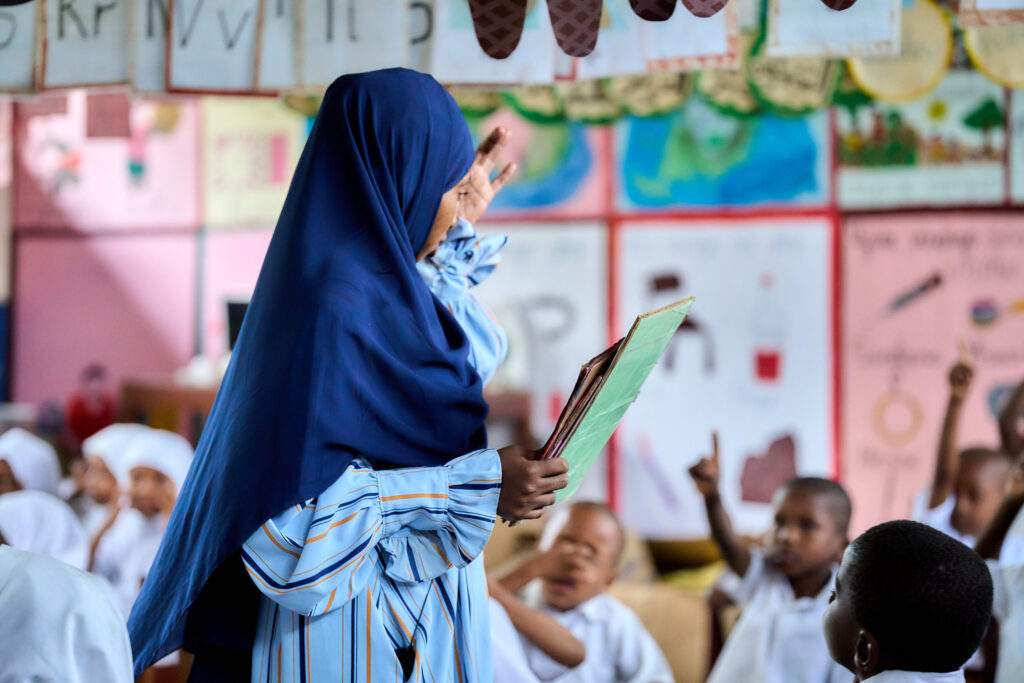
Author: Deborah Kimathi Amid global calls for action to address teacher shortages, particularly in Sub Saharan Africa, our work in Tanzania has highlighted the need to go beyond simply building a teacher pipeline. Education systems must also ensure that the pipeline can supply the right types of teachers, in the right places, and in ways […]
Learning for Human Flourishing in the AI Era: Why Education Systems Must Redefine Success
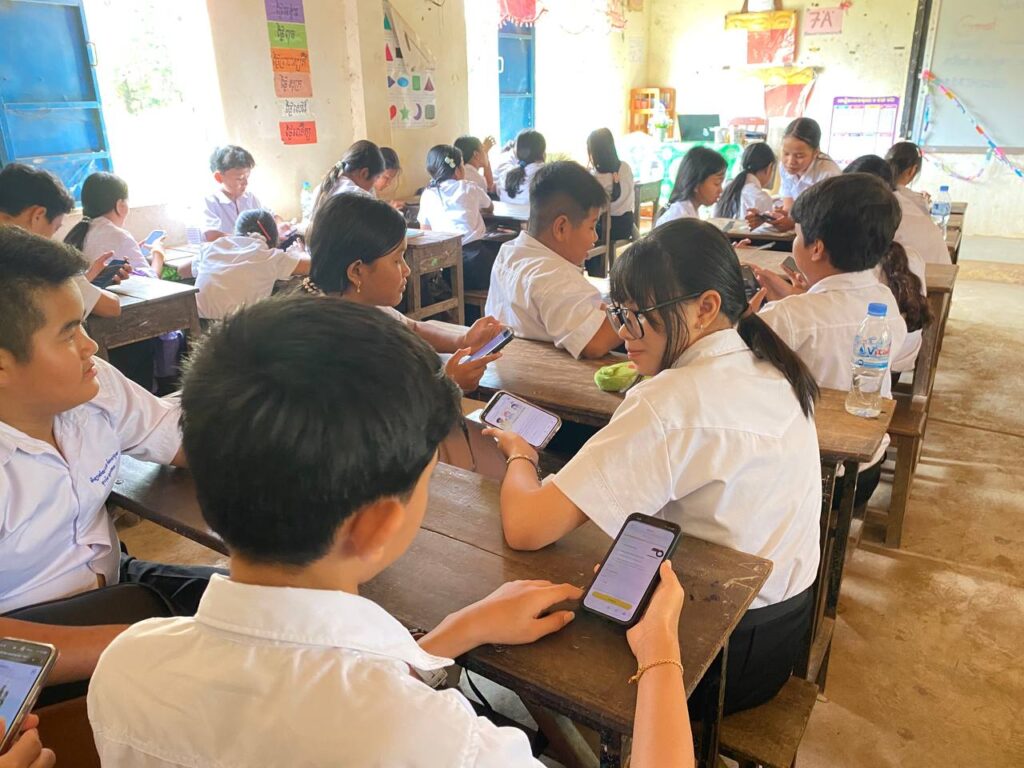
Authors: Ju-Ho Lee and Yoon Soo Park The rapid diffusion of artificial intelligence (AI) is transforming not only how students learn, but what learning is for: across education systems, AI now performs many cognitive tasks that once justified schooling, including information retrieval, routine analysis, and standardized problem-solving. Policy discussions have largely continued to focus on […]
Teacher Workforce Planning and Management: Rapid Mapping of Tanzania’s Teacher Life Cycle Policy Brief
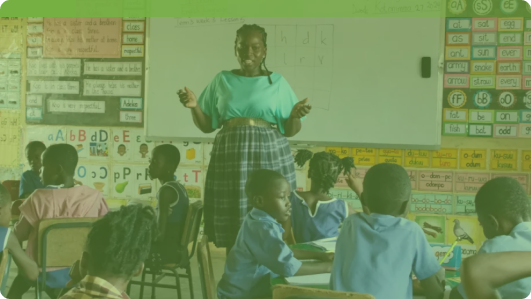
This policy brief presents key findings and recommendations from a rapid mapping of Tanzania’s teacher life cycle, from pre-service training and recruitment to professional development, deployment, and retention. Drawing on stakeholder input and current workforce data, the brief identifies persistent challenges affecting teacher management and outlines eight priority actions to strengthen coordination, improve equitable deployment, enhance data systems, support inclusive education, and ensure sustainable financing for the education workforce.
Leveraging Data and Accountability for Foundational Learning: Reflections from India

In May 2026, the Learning Generation Initiative, as a strategic partner of the What Works Hub for Global Education, supported the South-South Learning Symposium in Delhi, India. The symposium, convened and coordinated by British Council, brought together senior government delegations from Ghana, Kenya, Nigeria, Tanzania, Rwanda, South Africa, and India to reflect on the role […]
Beyond Technology: What it Takes to Make Change Work in Classrooms
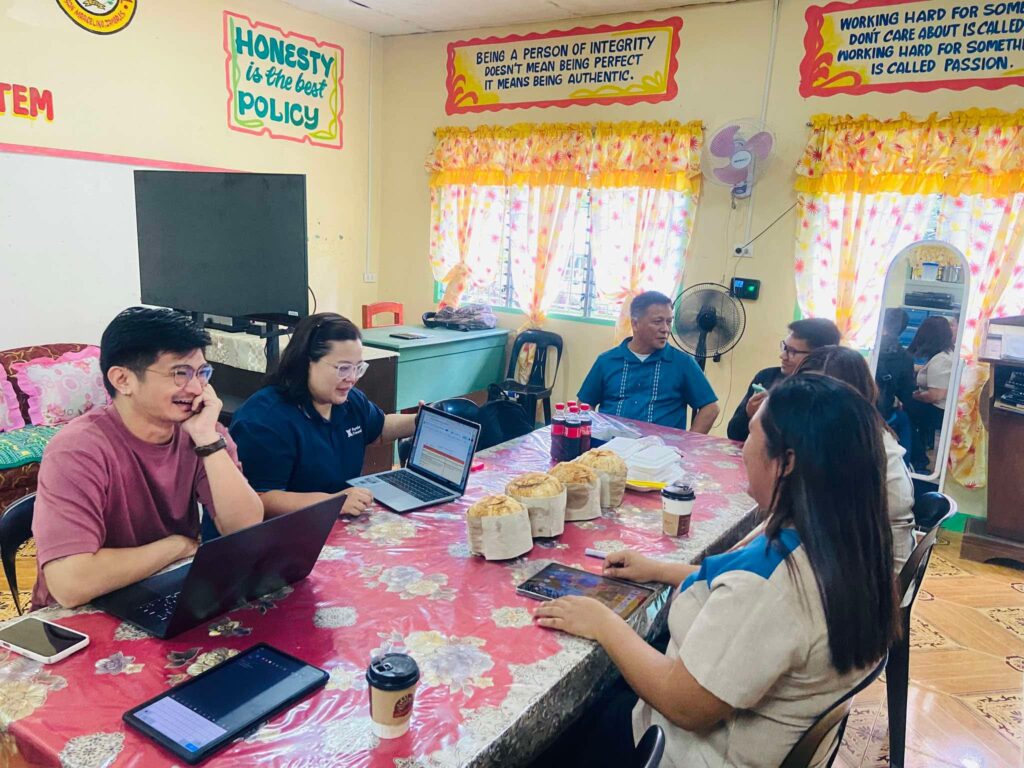
This post explores what it really takes to introduce change in classrooms — and why technology alone is never enough. Through reflections from two former teachers who supported the High Touch High Tech (HTHT) pilot in the Philippines, the piece highlights the importance of trust, coaching, leadership, and teacher agency in making new approaches work.
Missing the Forest for the Trees: School Meals, MDBs, and the Limits of Siloed Development Finance
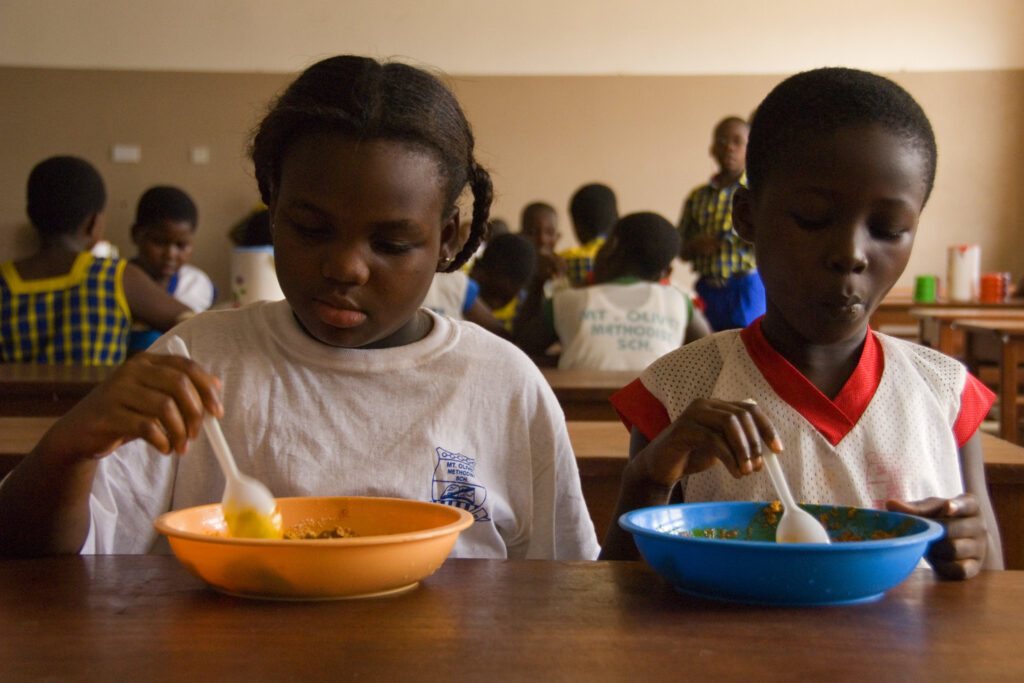
Authors: Biniam Bedasso and Mohamed Abdiweli AhmedThis post was originally published by the Center for Global Development. The International Monetary Fund and World Bank Spring Meetings concluded with another round of “mission” announcements, underscoring the growing role of multilateral development banks (MDBs) as platforms for tackling problems that require scale, coordination, and sustained finance. This […]
Health Taxes for School Meals: A Global Toolkit for Financing a Healthy Future

This toolkit explores how health taxes on products such as tobacco, alcohol, and sugar-sweetened beverages can help finance school meal programmes while advancing broader public health goals. Designed for government ministries, development partners, and civil society organisations, it brings together evidence, policy options, and practical considerations on tax design, earmarking, political economy, and implementation. Drawing on real-world examples and empirical evidence, the toolkit supports context-specific decision-making and cross-sector collaboration to strengthen sustainable financing for school health and nutrition.
Newsletter—April 2026
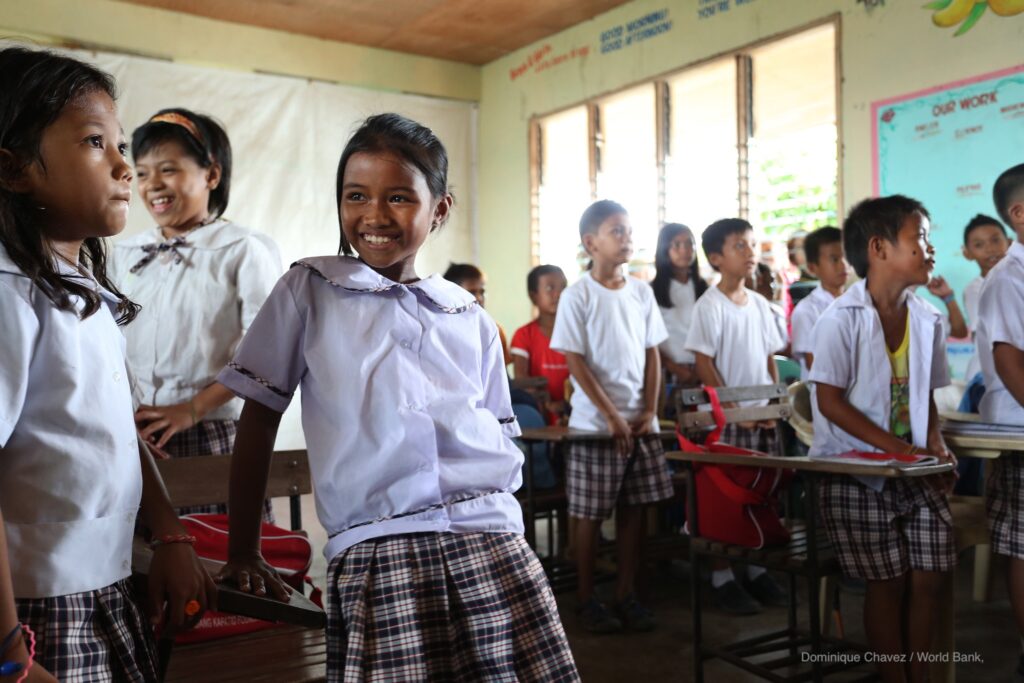
We’re pleased to share updates on progress of our work, including new High Touch High Tech for All work.
High Touch High Tech for All: Policymaker Brief
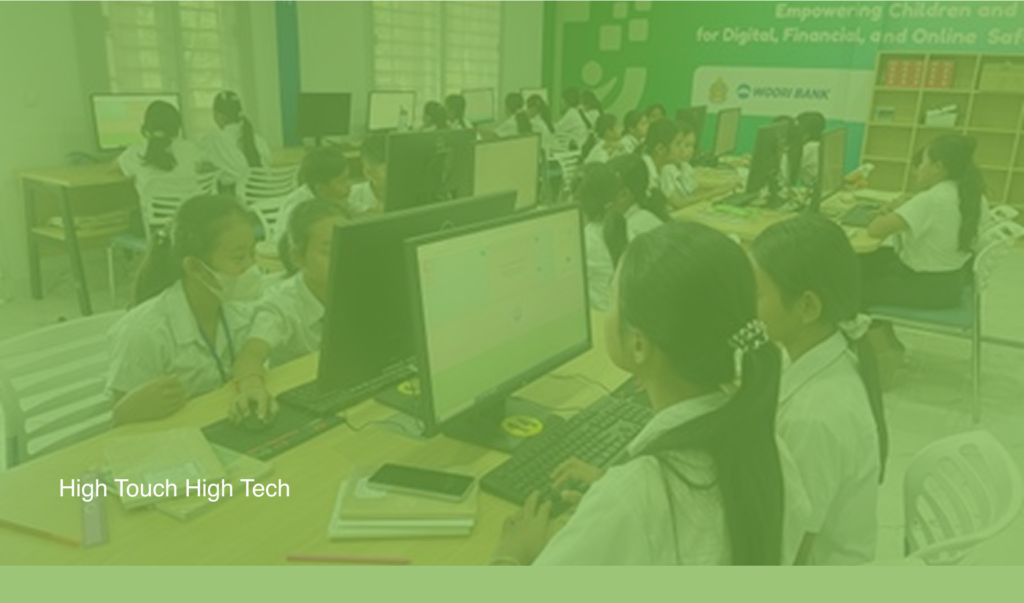
What does it take to deliver personalised learning for all students? This brief shares evidence from HTHT pilots across four countries and offers practical guidance for policymakers on technology use, teacher support, and enabling systems.
Middle Tier for Foundational Learning

Middle-tier personnel play a critical role in translating policy into practice and supporting improvements in teaching and learning. This research note defines the middle tier, synthesizes emerging evidence on how it contributes to foundational learning, and highlights key functions such as instructional support and data-informed decision-making. It also outlines considerations for policy and practice to strengthen the middle tier’s role in sustaining and scaling improvements in foundational literacy and numeracy.
From ambition to action: The Delivery Toolkit
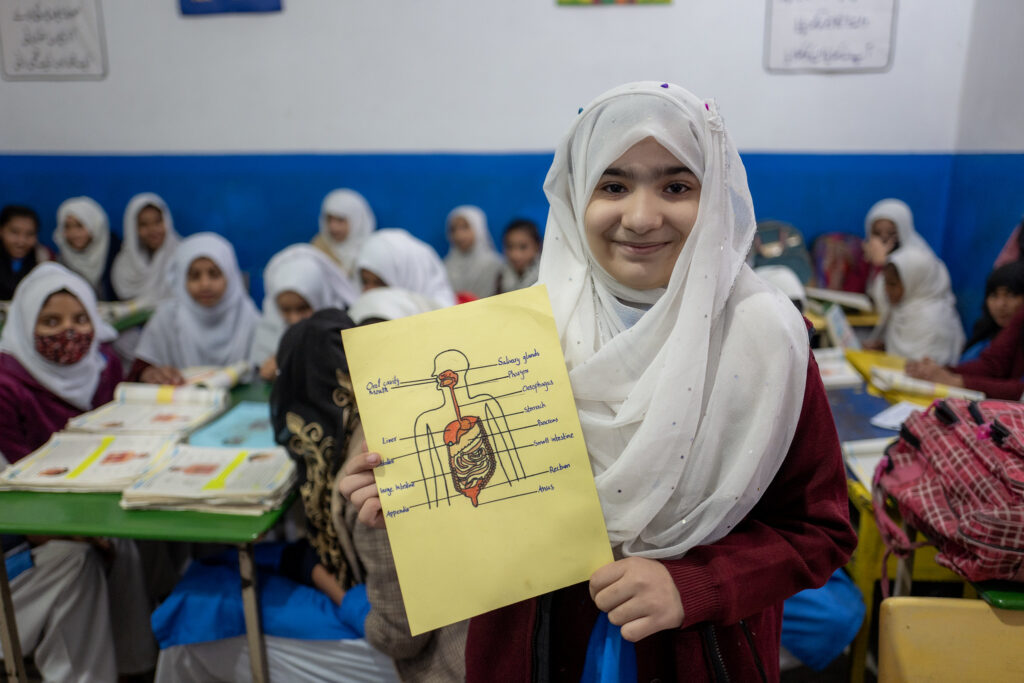
How the Delivery Toolkit translates evidence into practical guidance to help governments strengthen implementation, so education reforms deliver measurable learning gains in the classroom. Author: Neelofar JavaidThis post was originally published by Global Partnership for Education. What began as a global research initiative funded by the U.K. Foreign, Commonwealth & Development Office (FCDO), DeliverEd, under […]
High Touch High Tech in Action: Strengthening Teaching and Learning in Cambodia through Personalised, Adaptive Approaches
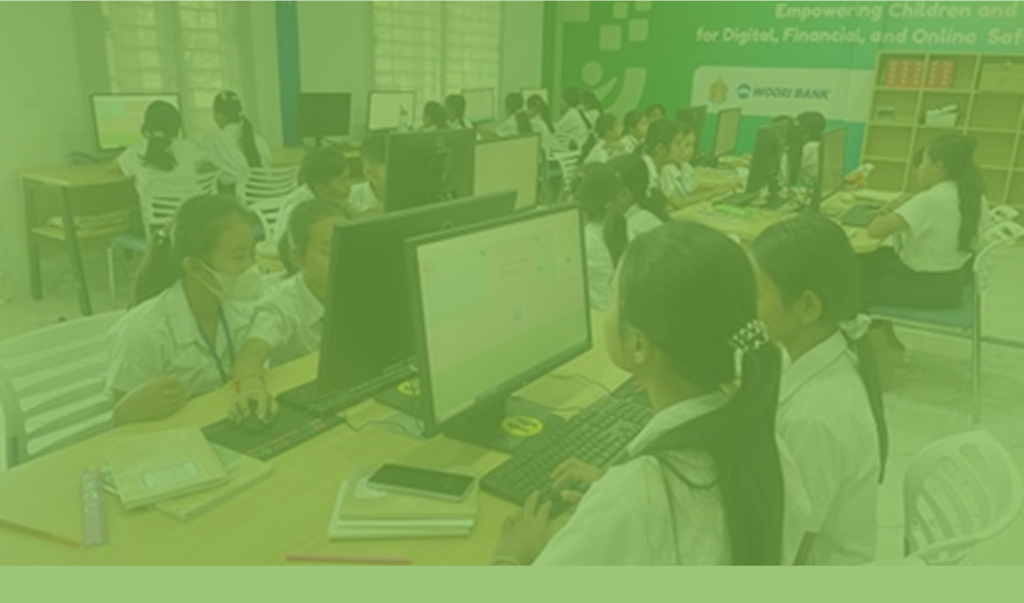
This report explores the High Touch High Tech (HTHT) pilot in Cambodia, integrating adaptive digital learning with teacher-led, data-informed instruction in lower secondary classrooms. Over eight months, students achieved significantly greater gains in math—equivalent to eight additional months of learning—demonstrating the model’s potential to strengthen foundational skills and reduce learning gaps within public education systems .
Health Taxes for School Meals: Unlocking Fiscal Space for School Health and Nutrition in Africa

Health taxes on tobacco, alcohol, and sugar-sweetened beverages offer a viable and largely untapped opportunity to unlock fiscal space for school meals and complementary school health and nutrition programs across Africa. Drawing on regional evidence and analysis, the briefing outlines the revenue potential, health gains, and policy considerations for spending ministries, and introduces the forthcoming Health Tax for School Meals Toolkit to support reform efforts.
High Touch High Tech for All: Empowering Teachers and Learners in the Philippines with Digital Personalised Learning to Improve Learning Outcomes
This report examines the High Touch High Tech (HTHT) approach in the Philippines, combining adaptive technology with teacher-led, data-informed instruction to personalise learning in public elementary schools. It finds that students made significantly greater gains in math over just 12 weeks, highlighting the potential of integrating technology and strong pedagogy to accelerate learning in low-resource contexts.
What Is High Touch High Tech (HTHT)?
This brief presents High Touch High Tech (HTHT), an approach that combines teaching and adaptive technology to enable personalised, data-informed learning at scale—helping accelerate progress, especially for students furthest behind.
From Policies to Systems: Why Data Must Reflect Reality
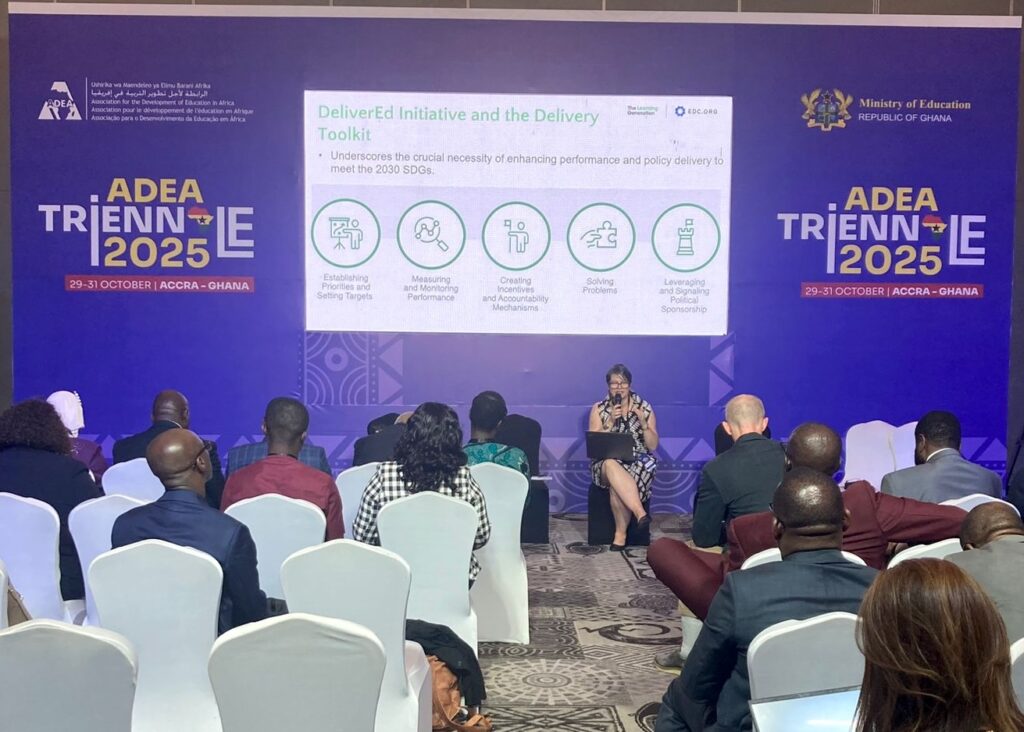
Authors: Dr. Angela Affran and Dr. Sam Awuku, Learning Generation Initiative What conversations at the ADEA Triennale reveal about building education systems that deliver. Across Africa, governments are investing in education. Policies are written. Reforms are launched. Yet learning poverty remains over 70%, according to the World Bank. UNESCO analysis shows that despite strong commitments to CESA 2016-2025 and SDG 4, progress remains uneven – particularly in equity, quality, and […]
3 Reasons Why Leadership Teams Are Vital for School-based Teacher Professional Development
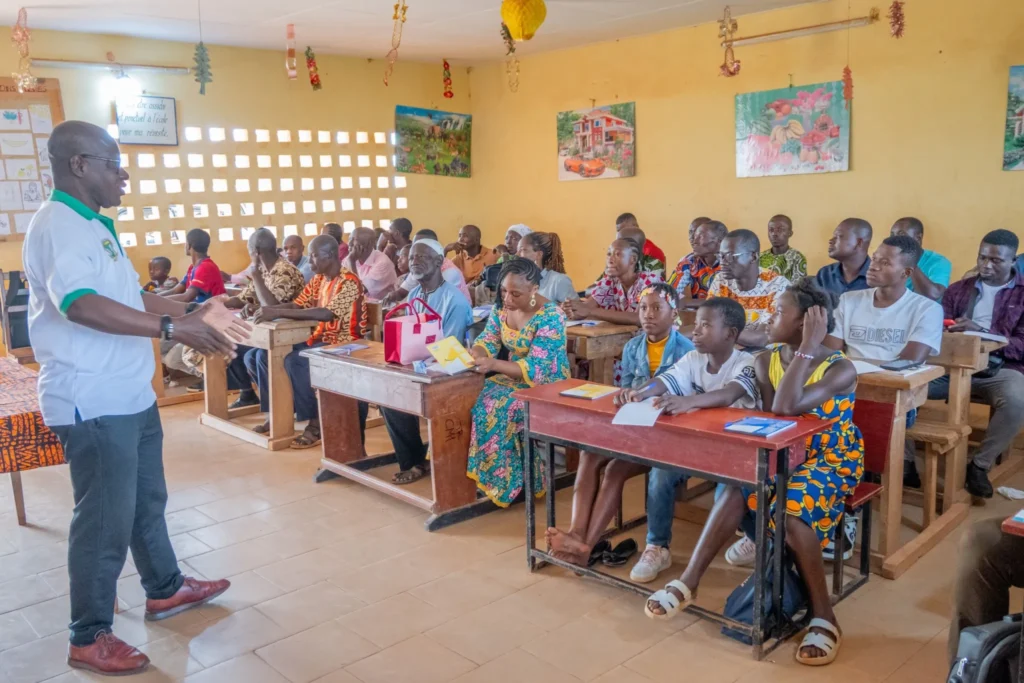
Authors: Katie Godwin, Hannah Simons, Jane Sebuyungo Nantayi, Daniele Ressler, Jeongmin Lee A Global Moment for Strengthening Teacher Support Around the world, education systems are grappling with how to support teachers in ways that are sustainable, practical, and responsive to classroom realities. As expectations of teachers grow, often without corresponding increases in support, there is […]
Une main lave l’autre : Comment le plan dirigé par le Bénin redéfinit la coopération autour de l’alimentation scolaire
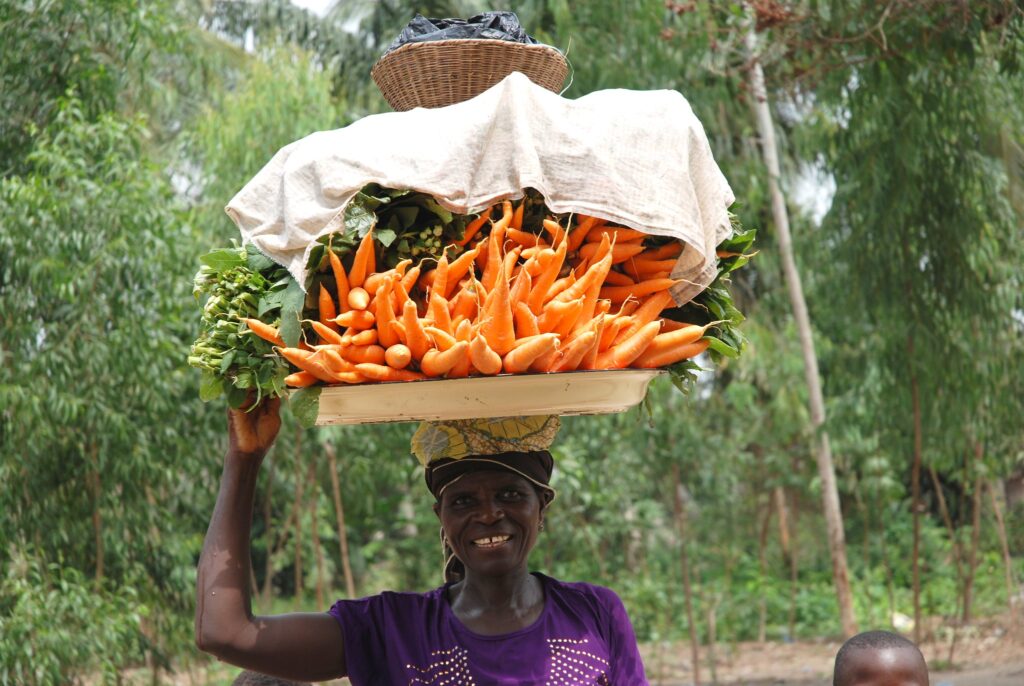
« Une main lave l’autre » – Proverbe africain Ce proverbe illustre une vérité simple : une seule main ne peut accomplir la tâche. Dans le domaine du développement, il rappelle que le progrès repose sur l’effort collectif entre les gouvernements, les communautés et les partenaires techniques et financiers œuvrant pour un objectif commun. Au […]
Drivers of effectiveness in education systems: An UKFIET panel on the role of the middle tier in implementing education change
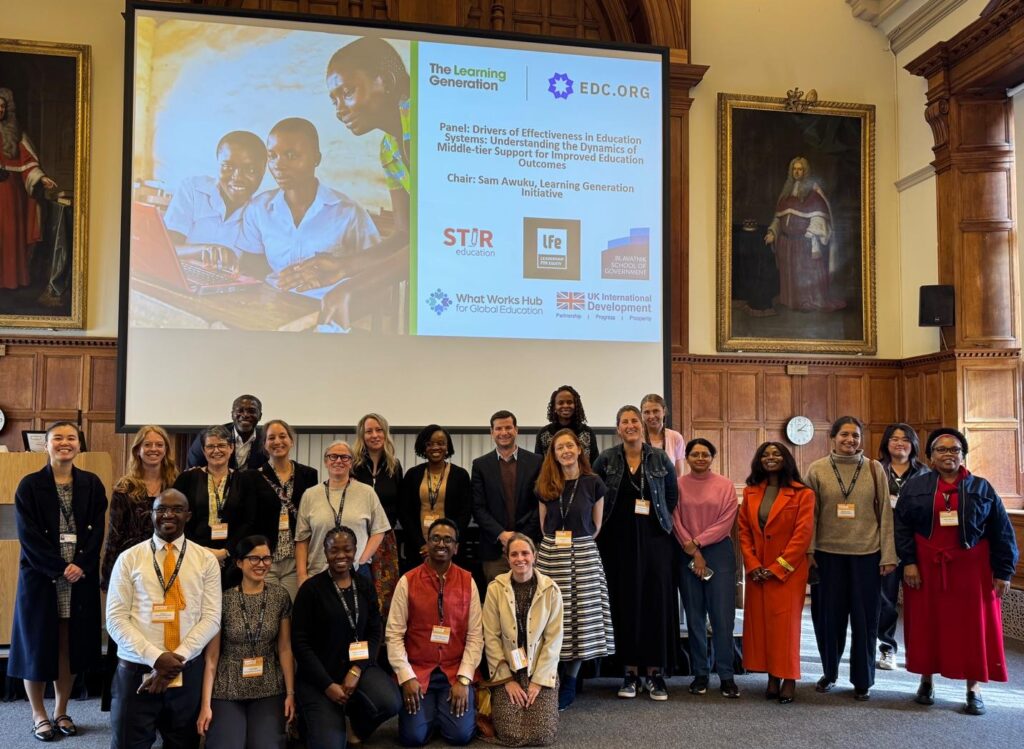
This post was originally published by What Works Hub for Global Education. Authors:Sam Awuku, Deborah Kimathi, Siddesh Sarma, Modern Karema, Yue-Yi Hwa and Kholosa Nonkenge There is increasing attention on the role of middle-tier officials – education system intermediaries between top decisionmakers and schools, who typically sit at the state, district, subdistrict level or similar – in […]
Reframing Inclusion: Why Teachers with Disabilities Matter for Inclusive Education
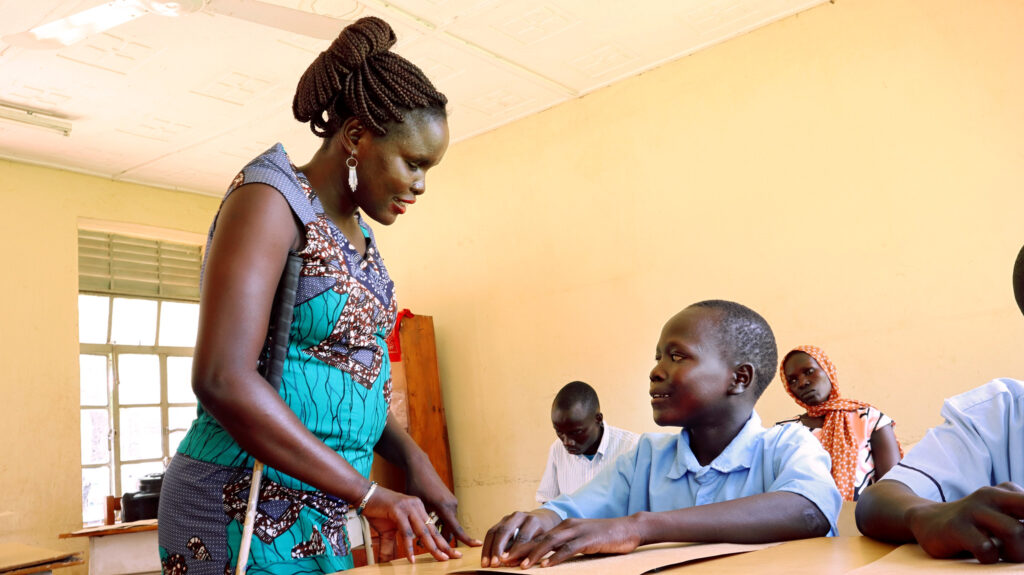
By Theo Sowa, Learning Generation Initiative (LGI) Champion LGI and the Cambridge Network for Disability and Education Research (CaNDER) – with support from the What Works Hub for Global Education – have collaborated on a new research synthesis showing why it’s so important to support teachers with disabilities working in mainstream classrooms. At the recent […]
Clean cooking in schools: Turning a climate blind spot into an opportunity
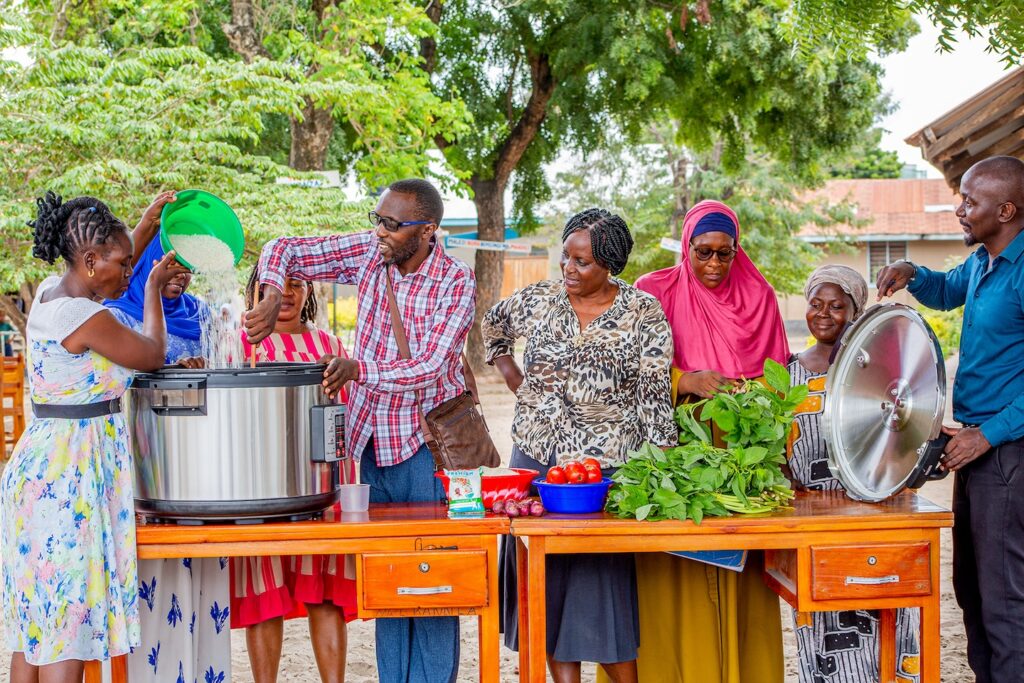
At COP30, governments and partners are addressing a neglected but powerful opportunity for climate action: the school kitchens that nourish millions of children. “By transforming the way clean cooking in schools works, we can improve health, protect forests, and empower the next generation to thrive in a more sustainable world. The Global Platform for Clean […]
A Hand Washes Another Hand: How Benin’s Country-led Plan Is Redefining Cooperation on School Meals
A hand washes another hand. –African Proverb The proverb captures a simple truth: One hand alone cannot complete the task. In development, it is a reminder that progress depends on shared effort between governments, communities, and development partners working toward a common purpose. In Benin, this proverb is reflected in a country-led national school feeding […]
Newsletter—October 2025
We’re pleased to share updates on progress of our work, supporting leaders with research (Analyze), expertise to drive action (Act), and platforms to spotlight their voices (Amplify).
Not the exception, but essential: Teachers with disabilities in mainstream classrooms

This blog, by Nidhi Singal, was originally published by Education International. Where are the teachers with disabilities in our classrooms? A question I often ask my audience is: “How many of you were taught by a teacher who identified as having a disability during your school years?” In a room of 50–60 people, usually only […]
Transforming Teacher Deployment: Lessons from a matching algorithm tool
This policy brief distills key lessons from Sierra Leone’s first data-driven teacher deployment using a matching algorithm. The tool aimed to make teacher placement more transparent and equitable by combining data on teacher preferences, qualifications, and school needs.
Shifting Power Dynamics in Education Decision-Making: Investigating the role of a matching algorithm to improve teacher deployment in Sierra Leone
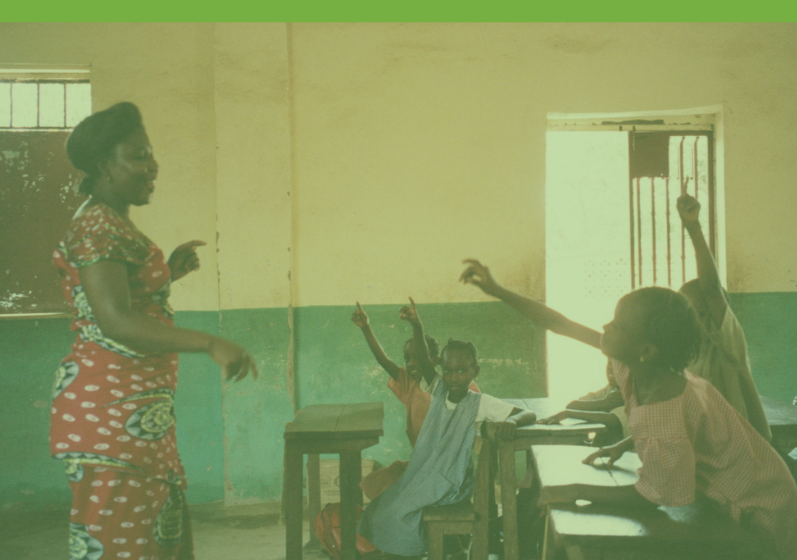
This paper examines how a data-driven matching algorithm transformed teacher deployment decisions in Sierra Leone. By digitizing recruitment and introducing a centralized, tech-enabled process, the study explores how technology reshaped efficiency, transparency, and accountability in education decision-making.
Newsletter—December 2024
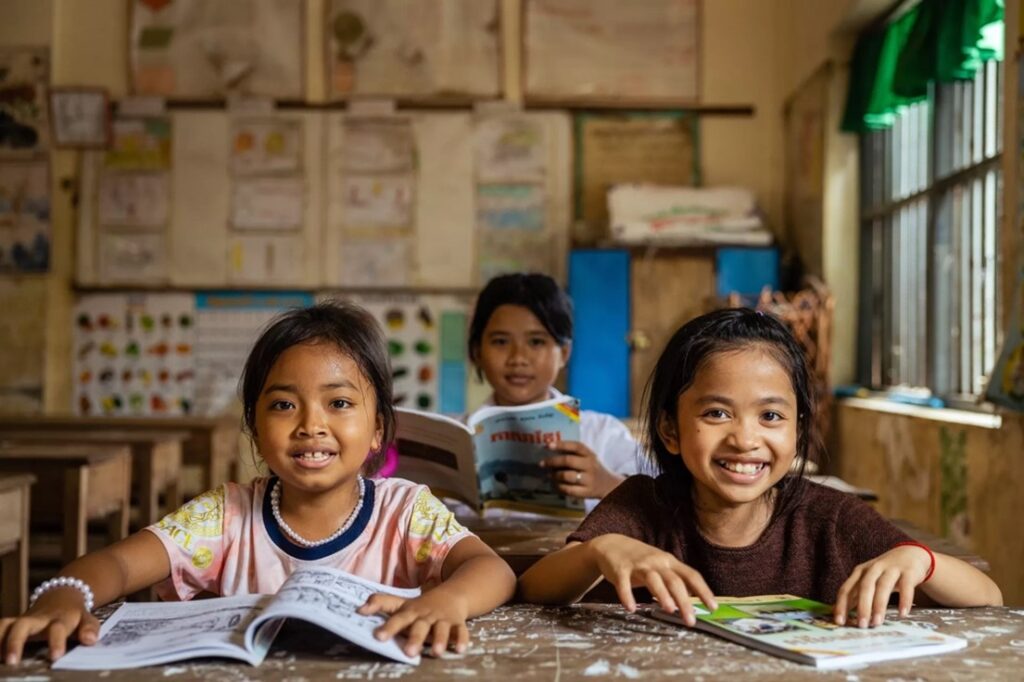
We’re pleased to reflect on the work of 2024 and prepare for the year ahead.
Newsletter—July 2024
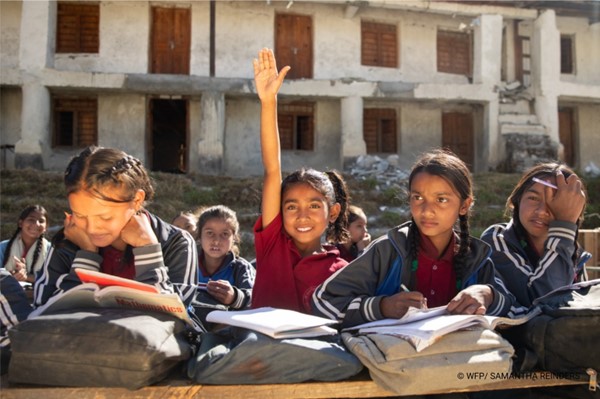
We’re pleased to share our new LGI Champions and launch of our new website.
Transforming the Education Workforce: Learning Teams for a Learning Generation

This major report offers new visions for strengthening, diversifying, and reimagining an education workforce that can deliver inclusive, quality education for all.